
Travel eSIM vs Portable Wi-Fi: Which Is Better for Your Trip?
eSIM or pocket Wi-Fi? How each works, a side-by-side comparison, how to compare the cost for your group, and when each one makes more sense.
Quick answer
- A travel eSIM suits solo travelers and couples: nothing to collect, carry, charge or return.
- Portable Wi-Fi suits groups who stay together, devices without a SIM, and phones without eSIM.
- Compare totals, not headline prices: eSIM price per person against rental, delivery and insurance for the group.
- An eSIM with personal hotspot covers the occasional laptop, if the plan allows hotspot use.
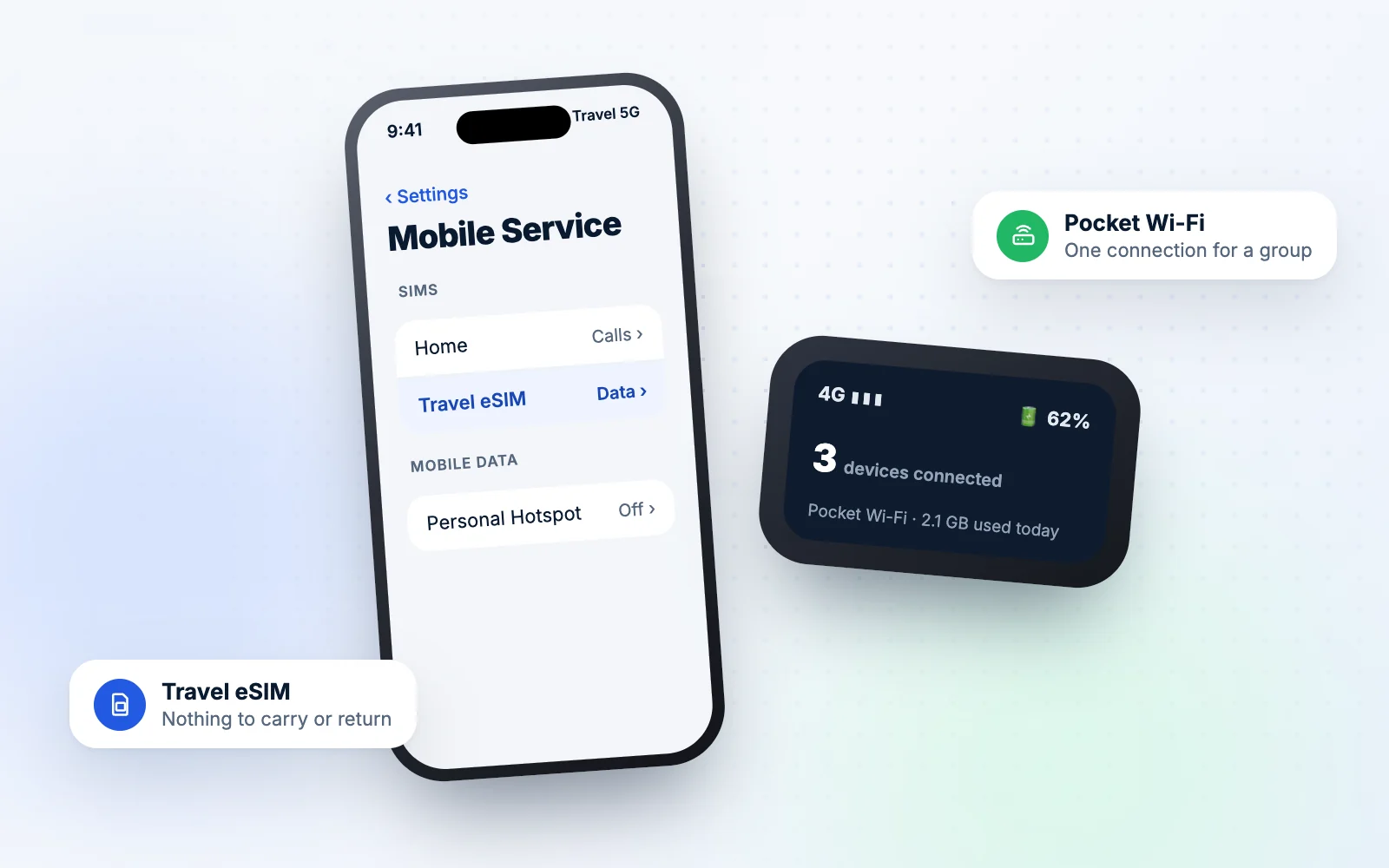
A travel eSIM and portable Wi-Fi solve the same problem, getting online abroad without roaming charges, in very different ways. One lives inside your phone; the other is a small router you carry in your bag and share with the people around you.
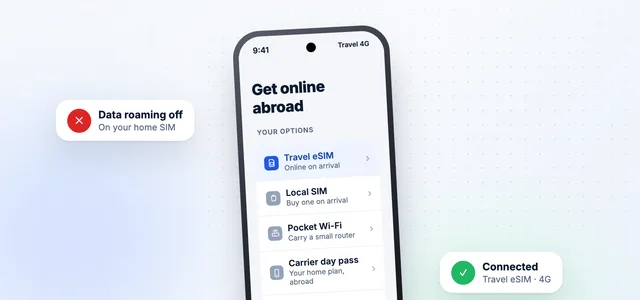
Neither is better for everyone, and they're not the only options: our guide to getting internet abroad covers local SIMs, carrier day passes and free Wi-Fi too. This guide compares a travel eSIM vs portable Wi-Fi on setup, cost, battery, sharing and convenience, and shows how to work out which is better value for your trip.
The Short Answer
A travel eSIM is usually the better choice for solo travelers and couples with eSIM-compatible phones: there's nothing to collect, carry, charge or return.
Portable Wi-Fi makes more sense for families and groups who stay together all day, for laptops and tablets without a SIM, and for phones that don't support eSIM.
How Each One Works
A travel eSIM is a data plan you download to your phone. You buy it online, install it over Wi-Fi before you travel, and switch it on when you land. It works alongside your regular SIM, which stays in the phone for calls and texts.
Portable Wi-Fi, also called pocket Wi-Fi or MiFi, is a small battery-powered router with its own SIM card inside. You rent it, collect it at the airport or have it delivered, and connect your devices to it over Wi-Fi. At the end of the trip, you return it.
Travel eSIM vs Portable Wi-Fi: Side by Side
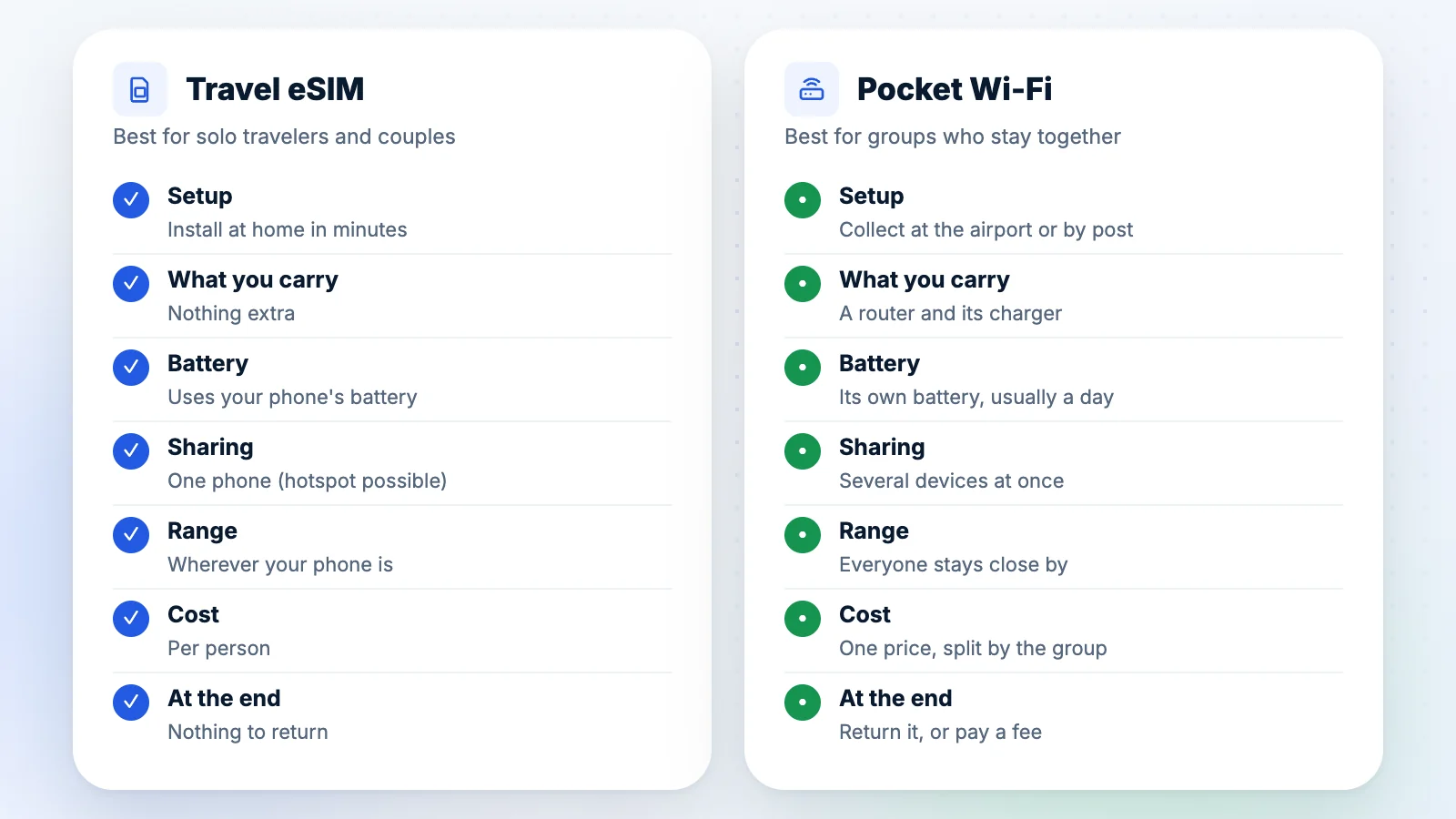
| Travel eSIM | Portable Wi-Fi | |
|---|---|---|
| Setup | Install at home in a few minutes | Collect at the airport or have it delivered |
| What you carry | Nothing extra | A router and its charger |
| Battery | Uses your phone's battery | Its own battery, which needs charging every day |
| Devices | One phone, or more with hotspot if the plan allows | Several phones, tablets and laptops at once |
| Range | Wherever your phone is | Everyone has to stay within Wi-Fi range |
| Cost | One plan per phone | One rental shared by the group |
| At the end | Nothing to return | Return it on time, or pay a fee |
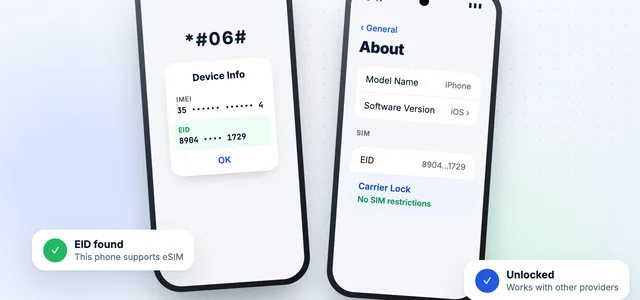
| Phone needed | Unlocked and eSIM-compatible | Any device with Wi-Fi |
Cost: How to Compare Fairly
The headline prices aren't directly comparable, because an eSIM is per person while a router is shared. To compare properly, work out the total for your trip:
- eSIM total: the plan price × the number of people who need data.
- Portable Wi-Fi total: the daily rental × the number of days, plus any delivery, insurance or deposit.
For one person, a travel eSIM is usually cheaper. For a family of four who'll spend every day together, a single router can cost less overall. In between, it depends on the destination and how long you're away, so it's worth checking both. Our destination pages show live eSIM prices for every country, and our guide to how much data you need helps you pick the right plan size.
When Portable Wi-Fi Makes More Sense
- You're a group that stays together. One router can connect everyone, and you split the cost.
- You need to connect devices without a SIM, such as a Wi-Fi-only tablet or a work laptop, for long stretches.
- Your phone doesn't support eSIM or is locked to your carrier. Our guide shows how to check if your phone supports eSIM.
When a Travel eSIM Makes More Sense
- You're traveling solo or as a couple, or your group will split up during the day.
- You'd rather not carry and charge another device. A router's battery usually lasts about a day, and when it runs out, everyone loses their connection.
- You arrive late or leave early, when airport rental counters may be closed.
- You're visiting several countries. A regional eSIM covers every country it lists; some routers are rented for one country only.
- You want to keep your home number on your phone at the same time.
The Best of Both: eSIM Plus Hotspot
If you mainly travel with a phone but occasionally need to get a laptop online, a travel eSIM with personal hotspot covers both. Turn on the hotspot when you need it and connect the laptop to your phone.
Check the plan allows hotspot
Not every travel eSIM plan allows hotspot use. On our site, plans that include it are marked "Hotspot allowed". Remember that laptops download updates and sync files in the background, so pause those first, and keep an eye on your phone's battery.
The Bottom Line
For most solo travelers and couples, a travel eSIM is simpler and usually cheaper: install it at home and you're online when you land. Portable Wi-Fi earns its place for groups who stay together, for devices without a SIM, and for phones that can't use an eSIM. Work out the total cost for your group and trip, and the right choice is usually clear.
Frequently asked questions
Is pocket Wi-Fi better than an eSIM?
It depends on your group. For a family or group that stays together, one router can cost less overall. For solo travelers and couples, an eSIM is usually simpler and cheaper.
Can I share my eSIM data with other people?
Yes, using your phone's personal hotspot, if the plan allows it. On our site, plans that include hotspot use are marked Hotspot allowed.
Does portable Wi-Fi work in several countries?
Some routers are rented for one country and others for a region. Check the coverage before you rent one for a multi-country trip.
Do I have to return a portable Wi-Fi device?
Usually yes, by post or at the airport by a set date. Late or missing returns often mean extra fees, so check the rental terms.
What if my phone doesn't support eSIM?
Then portable Wi-Fi or a local SIM card are your main options. Our guide shows how to check whether your phone supports eSIM.
Next step
Compare eSIM prices
See live travel eSIM prices for your destination.
Compare eSIM pricesData Roaming Editorial Team
We write practical, plain-English guides about using your phone abroad. Roaming prices and rules change, so we update guides regularly — always confirm current terms with your carrier. About our editorial approach
 Japan
 South Korea
 Europe
 USA
 France eSIM
 Spain eSIM
 Italy eSIM
 Dubai eSIM
 UK eSIM
 Turkey eSIM